
Sustainability
at Quebec Iron Ore
Sustainability
at Quebec Iron Ore
Sustainable development is deeply rooted in our culture and enormously important to us. We strive to generate positive impacts for our stakeholders, and work to innovate and deliver high-purity iron ore products to help our customers produce steel with lower emissions.
We constantly endeavour to provide a safe and inclusive workplace, address social inequalities, welcome cultures, respect human rights, and protect the environment and biodiversity.
HIGHLIGHTS
-
 Communities
-
 OHS (3)
-
 Human resources
-
 Energy and GHG (5)
-
 Land rehabilitation
-
 Business ethics
-
 Tailings management
-
 Water
Water
Community investments
Procurement from local suppliers (1)
Procurement from Indigenous suppliers (2)
Total frequency of recorded events (4)
Frequency of accidents with loss of time (4)
employees
Local and First Nations jobs
Salaries and employee benefits
Energy consumed
tonnes co2-eq GHG emissions
hectares (6) Revegetalized area
Income tax paid to the government
Municipal taxes paid
Mining tax paid to the governement
Compliance with monitoring program for tailings retention structures
mining wastewater reused or recycled
(1) Companies with a business unit in the Côte-Nord du Québec region (2) Indigenous companies or partners with Indigenous companies (3) Occupational health and safety (4) Per 200,000 hours worked (excluding contractors and sub-contractors) based on the International Occupational Safety and Health Administration (5) Greenhouse gases (6) Total since 2019
Note: Until 2023, the sustainability reports were based on the calendar year. Starting in 2025, they will follow the fiscal year (from April 1 to March 31). The results for 2024 are therefore included in the 2025 report.
Workplace health and safety
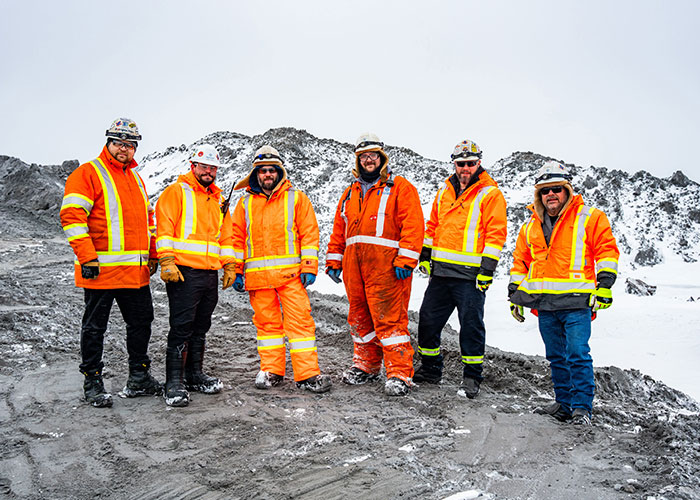
Everyone has the right to a safe workplace. Guided by our Occupational Health and Safety (OHS) policy, we work to identify and mitigate potential health and safety risks throughout our operations, and to provide our employees with a healthy workplace, free from injuries, accidents and occupational illnesses.
Risk management is central to our health and safety approach. Our OHS management system, based on the international ISO 45001 standard and a risk control hierarchy, applies to everyone working on our mine site, whether employees, contractors or anyone else on site.
We also have an inspection and audit program to review and verify compliance with standards and policies in all aspects of our workplace, including equipment, tools and materials. We encourage open and effective communication, ensuring that anyone can report an incident or potential danger, however minor. This collective vigilance allows us to assess operational risks and implement appropriate preventive measures before an incident occurs.
THE ENVIRONMENT
THE ENVIRONMENT
We recognize that mining operations have direct and indirect impacts on the environment. We are committed to avoiding negative impacts wherever possible, and to mitigating, minimizing and compensating for them when they cannot be entirely avoided.
Our aim is to follow global mining industry best practices by responsibly managing our natural resources, proactively mitigating environmental impacts, and continuously improving our environmental performance to minimize our footprint.
We work closely with local communities, First Nations partners and other stakeholders to be accountable and transparent when reporting on our practices.
OUR BEST
PRACTICES
Energy and climate change
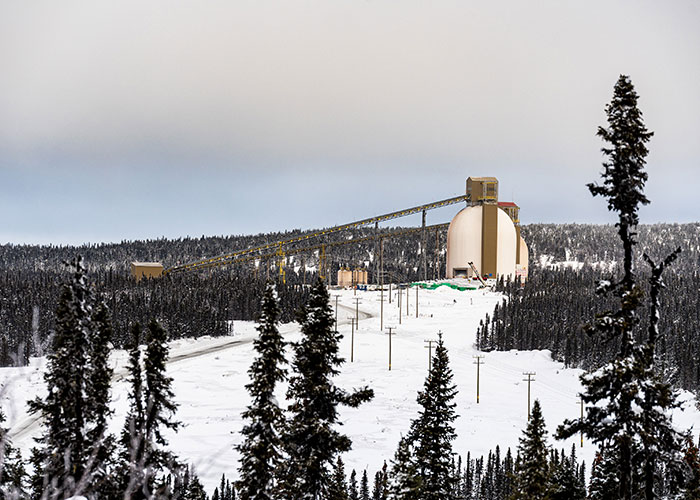
Energy efficiency is central to our efforts to reduce our impact on climate change. Understanding, mitigating and adapting to the risks that climate change poses to our operations and the regions where we operate is a core part of responsible mining and fundamental to maintaining strong relationships with local communities and our Innu partners.
Path towards carbon neutrality by 2050
Since the restart of Bloom Lake in 2018, we have made substantial investments in key projects that have led to significant reductions in operational emissions, including the ore conveyor system, the tailings pumping system and the installation of electric boilers.
We are continuing to build on this foundation with a clear path forward: a 40% reduction in GHG emissions intensity by 2030 and carbon neutrality by 2050. Our approach focuses on two specific categories of projects: energy efficiency initiatives at both the mine and at the plant, and electrification processes.
Land use and biodiversity
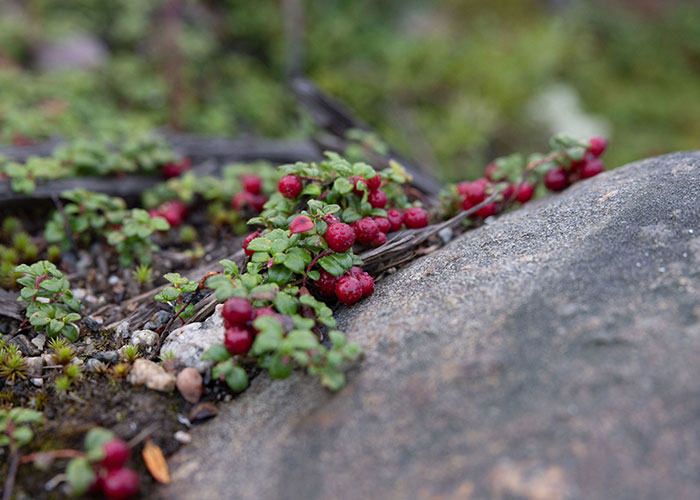
Our biodiversity strategy is built on understanding and evaluating our dependencies and impacts on natural systems, as well as the species that live within them, while also identifying associated risks and opportunities. This involves understanding the special value that our First Nations partners and local communities place on various ecosystem resources and services in the region.
This knowledge guides our strategic actions to prioritize the prevention of negative impacts. Where impacts cannot be avoided, we strive to minimize them as much as possible and implement mitigation measures through technological innovation, targeted technical adjustments, or appropriate nature-based solutions. Moreover, if negative impacts persist and our operations cause biodiversity loss, we are committed to pursuing compensation measures equal to or exceeding the biodiversity loss.
Air quality
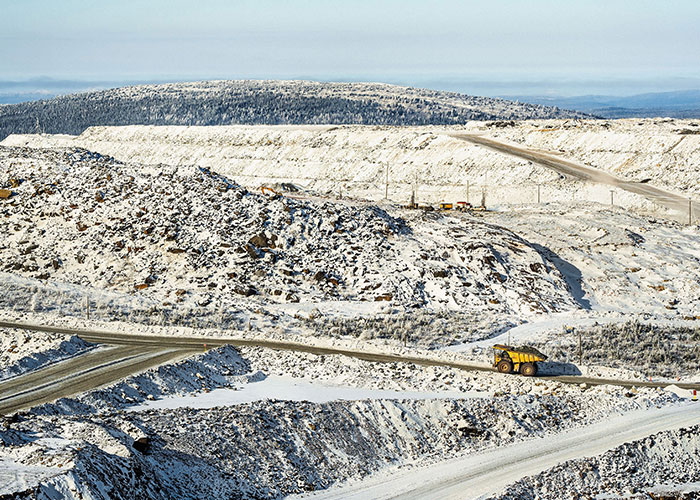
The primary air emissions associated with our mining activities include total particulate matter which includes particles of less than 10 microns and fine dust particles with a diameter of less than 2.5 microns, generated by sources such as vehicle traffic, unloading of materials, storage of mine tailings, blasting, and crushing.
We use a preventive management approach to reduce or control our generation and emission of air pollutants, and we regularly monitor our infrastructure and processes.
Tailings management
Tailings are a by-product of our mining activities and managing them is crucial. Effective tailings management is essential to protecting the safety of our workers and local communities.
We are committed to minimizing the environmental impacts related to tailings management through continuous monitoring, innovative practices and proactive risk management. We adhere to industry standards to ensure the safe design, construction, operation, and closure of our tailings management infrastructure.
Water stewardship
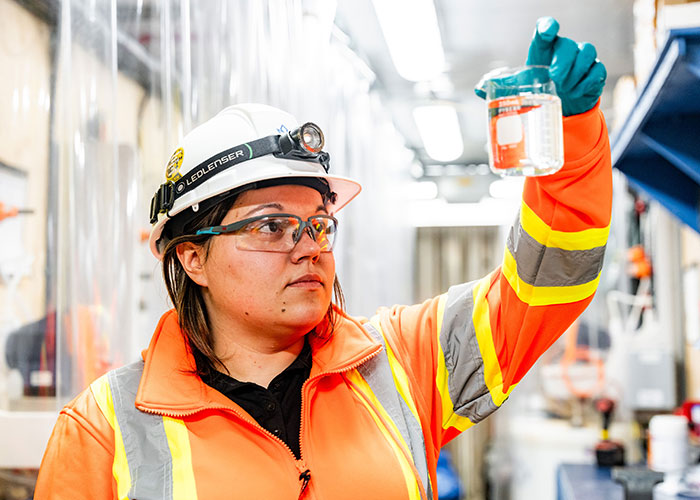
Water is a shared public resource, crucial for people and the environment, and it plays an essential role in our mining activities. Our water management strategy is guided by our recognition that the watersheds near our operations are central to the livelihoods of our stakeholders, including our Innu partners and local communities, in addition to their importance for industry and tourism.
Our water-retaining structures are proactively managed to mitigate the impacts of extreme flooding or other precipitation events, maximize water recycling and use water treatment facilities for any surplus water that is responsibly discharged into the environment.
To learn more, see Champion Iron's Sustainability Report
2025 reportHOST COMMUNITIES
We actively collaborate with the communities directly or indirectly impacted by our projects, in a spirit of transparency and responsibility.
Our governance
Quebec Iron Ore is committed to conducting business ethically, responsibly, in compliance with the legal requirements of the jurisdictions where we operate, and in accordance with the highest standards of corporate governance. We recognize that good governance is of utmost importance to our stakeholders, and central to the continuous improvement of our accountability and sustainability performance. Proper corporate governance enables us to uphold our core values of transparency and respect.
Learn moreOUR VALUE CHAIN
Since recommissioning Bloom Lake in 2018, Champion has delivered its iron ore concentrate to steelmakers located in 40 different countries. We promote sustainability within our value chain by focusing on our own responsible sourcing and by reducing our environmental footprint.
Our value chain includes more than 1,250 direct suppliers, who provide the goods, materials, and services required for our operations.
We aim to positively impact our stakeholders, including Indigenous communities and the greater Québec Côte-Nord region where we operate. Our procurement practices encourage sourcing from local companies, whereby 78% of our spending is allocated to suppliers located in Québec. Additionally, 93% of procurement is from suppliers located in Canada. The remaining 7% of our procurement is sourced from outside of Canada, predominantly from Germany, Australia, Italy, Japan, Singapore and the United States.

Exploration and acquisition

Assessment and acceptability

Planning
and development

Extraction and recovery

Processing and production

Marketing and Sales
